Harvest Bloom Font for Web Design
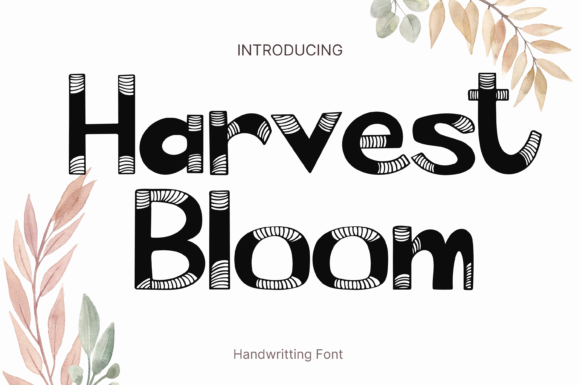
Harvest Bloom is a display font that brings a whimsical and cool aesthetic to digital projects. As a web designer, I appreciate how it adds character without overwhelming the user experience. Its unique style makes it ideal for creative websites where visual appeal plays a key role.
Visual Characteristics and Style
Harvest Bloom has a playful yet sophisticated look. It features clean lines with subtle flourishes that give it a modern feel. The font’s structure allows it to stand out in headers and banners while still maintaining readability. This balance makes it suitable for both decorative accents and functional text elements.
The personality of Harvest Bloom leans toward creativity and approachability. It works well for brands that want to convey a sense of fun or innovation. Its versatility means it can fit into various design themes—from minimalist layouts to bold, colorful interfaces.
Applications in Web Design
When designing landing pages or hero sections, Harvest Bloom shines as a title font. Its distinctiveness helps draw attention to key messages without distracting from the content. For example, using it on a product landing page can create an inviting atmosphere that encourages engagement.
In online stores, Harvest Bloom can be used for promotional banners or category headers. Its whimsical nature can help differentiate a boutique shop from more traditional competitors. Pairing it with a simple sans serif font for body copy ensures clarity and legibility across different screen sizes.
For creative portfolios or coaching websites, Harvest Bloom adds a personal touch. It works especially well in section headings or call-to-action buttons where a bit of flair can enhance the user experience. On course sales pages, it can be used sparingly to highlight important details like pricing or benefits.
Readability and Visual Hierarchy
While Harvest Bloom is a display font, its readability is strong when used appropriately. It performs best in larger sizes, making it perfect for headlines, subheadings, and short phrases. When designing for mobile screens, ensure sufficient spacing and contrast to maintain legibility.
Using Harvest Bloom in visual hierarchy helps guide users through content effectively. It can be used to emphasize key points in blog headers or digital ads, improving scanning behavior and increasing user engagement. However, avoid overusing it in body text where a more readable font would be better suited.
For dark backgrounds or image overlays, consider adjusting the font color or adding a subtle stroke to ensure visibility. Testing different variations helps find the optimal presentation for each project.
Font Pairing and Brand Identity
Harvest Bloom pairs well with complementary fonts to create a cohesive design system. A common approach is to use a sans serif font for body text, which provides a clean and professional base. This combination works particularly well for editorial designs or brand kits that require both creativity and clarity.
When building a brand identity, Harvest Bloom can be used consistently across digital assets to reinforce recognition. From social media graphics to packaging design, the font contributes to a unified visual language that strengthens brand trust and professionalism.
Practical Considerations
Before implementing Harvest Bloom on a website, check the available styles and file formats. Ensure it supports the necessary weights and alternates for different design needs. Also, verify if the font includes multilingual support if your audience spans multiple regions.
Commercial font licensing is essential when using Harvest Bloom for client projects, online stores, or digital templates. Always confirm the license terms to avoid legal issues. Choosing a premium font like Harvest Bloom ensures quality and reliability for long-term use.
Whether you're designing a digital product, a SaaS landing page, or a creative portfolio, Harvest Bloom offers a unique way to express your brand's personality. Its adaptability makes it a valuable asset in any designer’s toolkit.