How Aloof Helped My Bakery Stand Out with Bold Typography
I run a small bakery in the heart of town, and I’ve always believed that presentation is just as important as the taste of the treats. Recently, I decided to give my packaging a fresh look, and that’s when I discovered Aloof. It was a simple font choice, but it made all the difference.
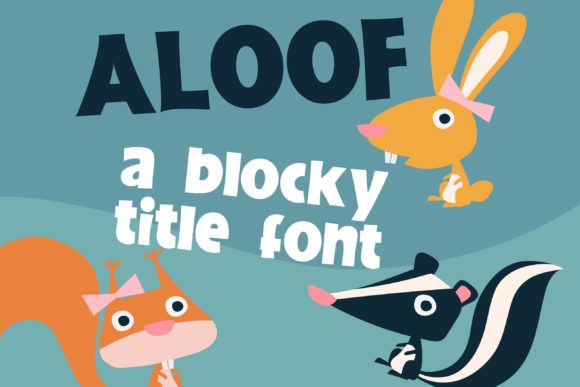
Aloof is a cool, bold, and thick lettered display font. The way the letters stand out makes it perfect for grabbing attention, whether on a box of pastries or a social media post. It has this kind of confidence about it—like it knows it’s going to be noticed.
From Labels to Menus: Aloof in Action
I started by redesigning my product labels. Before, they were plain and didn’t really reflect the personality of my brand. Now, using Aloof for the names of my signature items—like “Cinnamon Swirl” and “Hazelnut Delight”—gave them a modern, eye-catching appeal. Customers started commenting on how much they liked the new look.
The font wasn’t just for labels. I used it on my café menu too. The boldness of Aloof helped separate the different sections of the menu, making it easier to read while still feeling stylish. It also worked well on my thank-you cards, giving them a touch of professionalism without being too formal.
Even my website banners got a refresh with Aloof. The font’s thickness made the headlines pop, which helped draw visitors’ eyes to the most important parts of the page. It felt like everything had a consistent visual tone now—something I hadn’t achieved before.
Why Aloof Works for Small Businesses
Typography plays a big role in first impressions. When customers see your brand, they form an opinion almost instantly. Using a strong, readable font like Aloof can help reinforce that impression. It adds a sense of trust and polish, which is especially important for businesses like mine where presentation matters just as much as quality.
Aloof isn’t just about looking good—it’s also about being functional. Even though it’s bold, the design is clean enough to remain legible on small labels and mobile screens. That’s something I really appreciate because I want my branding to work across different platforms, from Instagram posts to printed packaging.
I’ve also found that Aloof pairs well with other fonts. For example, I use a clean sans serif font for body text, which keeps things balanced. It’s not too hard to find complementary fonts, and the contrast helps keep the overall design from feeling cluttered.
Design Tips for Using Aloof
If you’re thinking about using Aloof for your business, here are a few tips to keep in mind:
- Use it for headlines, logos, and titles: Aloof is best suited for display purposes. Its bold style works well for short phrases and larger text elements.
- Check file formats and licensing: Make sure you have the right font files for your needs, whether it’s for print, digital use, or client projects. Commercial licensing is essential if you plan to use it on merchandise or templates.
- Consider readability: While Aloof is great for catching attention, it should be paired with more readable fonts for body text. This ensures your content remains easy to scan and digest.
- Look for alternates and ligatures: Some versions of Aloof may include special characters or alternate glyphs that can add extra flair to your designs.
Another thing I love about Aloof is that it’s versatile. Whether I’m designing a sticker for a new product or creating a promotional flyer, the font adapts well to different contexts. It gives each piece of branding a cohesive feel, which helps build recognition over time.
Bringing It All Together
Choosing Aloof wasn’t just about picking a font—it was about upgrading the way my business presented itself. From my bakery boxes to my social media posts, the font has helped create a more polished and memorable brand image. And honestly? It’s made me feel more confident in what I do.
If you’re looking for a display font that’s both stylish and practical, I highly recommend giving Aloof a try. It’s a small change that can make a big impact, and I believe it’s one of those tools that every small business owner should have in their design toolkit.