Sweet Melya: A Playful Display Font for Modern Web Design
As I was working on a redesign for a boutique online store, I needed a font that would stand out but still feel approachable. That’s when I stumbled upon Sweet Melya. It’s a display font with a cartoonish charm that immediately caught my eye. I wanted to see how it would work in a real layout, so I tested it on the hero section of the homepage.
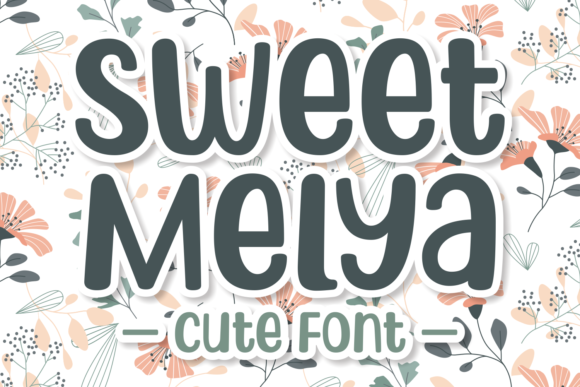
Sweet Melya has a soft, rounded appearance with exaggerated curves and playful strokes. It feels like it was designed for whimsy—perfect for brands that want to convey warmth, creativity, or a sense of fun. The personality of the font is very distinct, making it ideal for creative projects where visual impact matters more than strict readability.
I placed it over an image banner with a light background, and it looked great. The contrast between the bold, friendly typography and the subtle imagery helped draw attention to the main message. But I also wanted to make sure it worked well across different parts of the site, from headers to buttons.
For the website headers, Sweet Melya added a nice touch of character without overwhelming the content. It felt more personal than other display fonts I’ve used before, which is exactly what this brand needed. When I used it for section headings, it created a visual rhythm that guided users through the page naturally.
One thing I noticed right away was its performance on mobile screens. Even though it’s a decorative display font, it remained legible at smaller sizes. That’s important because many users will be viewing the site on their phones. I made sure to keep the text size large enough to maintain clarity, especially when placed over images or dark backgrounds.
When it came to call-to-action areas, I considered whether Sweet Melya would be too playful for something like a “Buy Now” button. In the end, I paired it with a clean sans serif font for the button itself, using Sweet Melya only as a heading above the CTA. This gave the design a nice balance between fun and functionality.
I also experimented with using Sweet Melya in blog graphics and promotional banners. It worked well for headlines, but I avoided using it for long paragraphs since it’s not optimized for body copy. For short phrases or taglines, though, it brought a unique energy that really stood out.
Font pairing is always a key consideration in web design, and Sweet Melya played nicely with a few different styles. I found that combining it with a modern sans serif like Montserrat or a classic serif like Playfair Display created a strong visual contrast while maintaining a cohesive look. This combination worked particularly well for a digital brand kit I was building, where I needed both a decorative and a professional typeface.
Before finalizing the project, I checked the font details to make sure it met all the requirements. Sweet Melya comes with a variety of styles, including regular and bold weights, which gave me flexibility in different sections of the site. It also supports multiple languages, which is essential if the brand plans to expand globally. And since it’s available as a webfont, I didn’t have to worry about loading times or compatibility issues.
Another thing I appreciated was the commercial licensing. As a designer working on client projects, having access to a font that can be used across various platforms and formats is crucial. Sweet Melya offered clear licensing terms that covered everything from websites to print materials, which made it a safe choice for the project.
Overall, Sweet Melya proved to be a versatile display font that could elevate the visual identity of the boutique store. It added a touch of personality without compromising usability, and it worked well across different elements of the design—from headers to promotional graphics.
If you’re looking for a display font that brings a sense of playfulness and creativity to your web projects, Sweet Melya might just be the one you need. Whether you're designing a portfolio site, a course landing page, or a small business website, this font can help you create a more engaging and memorable user experience.