Gumi: A Playful Display Font for Creative Makers
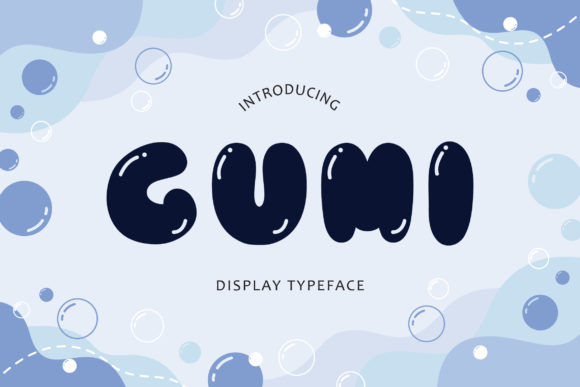
I was working on a batch of hand-poured soy candles one afternoon, and I needed a label that felt both whimsical and trustworthy. That’s when I stumbled upon Gumi—a chunky, bubbly display font that immediately caught my eye. Its playful curves and friendly charm made it feel like the perfect match for my candle collection, which I sell in small batches at local markets and online.
Gumi is more than just a font; it's a mood. It carries a sense of authenticity and joy that's hard to replicate with other typefaces. The letterforms are rounded and slightly irregular, giving them a handmade feel that resonates well with crafters and makers who value imperfection as part of the creative process.
Bringing Gumi to Life on Handmade Products
The first thing I tried was using Gumi on my candle labels. I printed a few mockups on sticker paper and tested them on different bottle sizes. The font’s chunkiness worked beautifully on larger labels, but I also found that it scaled down nicely for smaller tags. It didn’t feel cramped or distorted, even when I reduced the size for tiny product tags.
Next, I experimented with Gumi on greeting cards. I designed a set of birthday cards featuring the font on the front cover, paired with a clean sans serif font for the body text. The contrast between the two styles created a nice balance—playful yet readable. Customers loved how the cards looked, and several asked if I had more designs in the same style.
I’ve since used Gumi for a variety of projects, including:
- Boutique packaging for custom soap bars
- Wedding invitation suites with decorative wording
- Printable wall art for home decor
- Farmhouse-style signs for my shop window displays
- Digital templates for digital planners and calendars
- Sticker sheets for kids’ party favors
Designing with Purpose: How Gumi Enhances Your Brand
When I use Gumi, I think about how it affects the overall presentation of my products. The font has a warm, approachable vibe that helps build trust with customers. It’s not overly flashy, so it works well for brands that want to feel personal and authentic.
For example, I once used Gumi on a line of seasonal mug tags for holiday drinks. The font’s bubbly appearance added a festive touch without being too busy. It also helped reinforce brand consistency across my product line, making everything feel cohesive and intentional.
One thing to note is that Gumi is best suited for short phrases, names, titles, and decorative wording rather than long paragraphs. This makes it ideal for product labels, signage, and promotional materials where brevity is key. However, I’ve found that it still looks great when used sparingly in longer text blocks, especially when paired with a complementary font.
Font Pairing Tips for Makers and Designers
When designing with Gumi, I often pair it with a clean sans serif font for body text. This combination keeps things legible while adding visual interest. For instance, I used a simple sans serif font for the details on my candle labels and Gumi for the main title. It gave the design a polished yet friendly look.
If you're working on something more formal, like wedding invitations or event programs, consider pairing Gumi with a classic serif font. The contrast can create a beautiful blend of modern and traditional aesthetics.
Another tip is to check the font’s included styles, alternates, ligatures, swashes, weights, and file formats before finalizing your design. Since Gumi is PUA encoded, it offers extra characters that can be useful for creating unique variations of your text.
Readability and Practical Use
As a maker, I always test fonts on different materials and surfaces to ensure they work well in print. Gumi has performed exceptionally well on stickers, labels, and printed cards. It’s also been a hit when used in digital previews for my online shop listings. The font remains clear and legible even when scaled down, which is essential for small product tags or social media graphics.
For those using cutting machines like Cricut or Silhouette, I recommend testing the font on a sample piece of material before printing a full batch. This ensures that the font doesn’t get distorted or cut off in unexpected ways.
Before selling any physical products, templates, or digital downloads that feature Gumi, it’s important to confirm that the font has proper commercial licensing. This protects both the designer and the end user from legal issues.
Whether you're crafting for yourself or running a small business, Gumi is a versatile and charming display font that adds personality to your work. Its playful yet professional appeal makes it a go-to choice for a wide range of handmade and printable projects. And the best part? It feels like it was made just for makers like us—people who love to bring creativity to life in every detail.